Natural Phenomena Examples: Understanding the Amazing Events of Nature
Introduction
Nature is full of incredible events that shape our planet and influence every form of life. From breathtaking rainbows after a storm to powerful volcanic eruptions that create new land, natural phenomena examples remind us how dynamic and fascinating Earth truly is. These events occur because of natural processes rather than human activity, making them an essential part of the environment.
Learning about natural phenomena examples helps people understand how the world works. Some events happen every day, such as sunrise and rainfall, while others occur only once in many years, like total solar eclipses or massive earthquakes. Scientists study these natural events to predict changes, reduce risks, and improve our understanding of Earth’s systems.
Whether you are a student, teacher, traveler, or simply someone curious about nature, exploring natural phenomena examples can deepen your appreciation for the world around you. In this guide, you’ll discover the most common and extraordinary natural events, why they happen, and why they matter.
What Are Natural Phenomena?
Natural phenomena are events or processes that occur naturally without direct human involvement. They are caused by physical, chemical, biological, geological, or atmospheric forces operating on Earth and throughout the universe. Every natural phenomenon follows the laws of nature, although some are easier to explain than others.
These events can happen on land, in the oceans, within the atmosphere, or even in outer space. While many natural phenomena are harmless and beautiful, others can have significant impacts on people, wildlife, and the environment. Understanding them helps communities prepare for disasters while appreciating the wonders of nature.
Natural phenomena examples include rainfall, thunderstorms, earthquakes, volcanoes, tornadoes, auroras, tsunamis, lightning, eclipses, and many more. Some occur regularly, while others are extremely rare, making them fascinating subjects for scientific research and education.
Why Natural Phenomena Are Important
Natural phenomena play a major role in maintaining Earth’s balance. Rain replenishes freshwater supplies, rivers carve landscapes, winds distribute seeds, and volcanic activity creates fertile soil. Without these natural processes, ecosystems would not function as they do today.
Scientists study natural phenomena to improve weather forecasting, understand climate change, predict earthquakes, and protect communities from natural hazards. Better knowledge allows governments and emergency organizations to develop warning systems that save lives and reduce property damage.
Natural phenomena also inspire curiosity and innovation. Many discoveries in physics, geology, biology, and environmental science began with people asking questions about events they observed in nature. As technology advances, researchers continue uncovering new information about the remarkable processes shaping our planet.
Weather-Related Natural Phenomena Examples
Weather creates some of the most familiar natural phenomena examples experienced every day. These events occur because of changing atmospheric conditions involving temperature, pressure, humidity, and wind. Weather affects agriculture, transportation, wildlife, and daily life across the globe.
Rain is one of the most common natural phenomena examples. It forms when water vapor condenses into clouds and eventually becomes heavy enough to fall as precipitation. Rain supports crops, fills rivers and lakes, and maintains ecosystems. However, excessive rainfall can also lead to flooding and landslides.
Snow develops when temperatures remain below freezing, causing water vapor to form ice crystals instead of liquid droplets. Snowfall transforms landscapes, provides freshwater through melting, and supports winter tourism. Heavy snowstorms, however, may disrupt transportation and infrastructure.
Fog is another weather-related phenomenon formed when tiny water droplets remain suspended near the Earth’s surface. Dense fog reduces visibility, creating challenges for drivers, pilots, and ships. Despite these difficulties, fog contributes moisture to certain ecosystems and influences local climates.
Thunderstorms and Lightning
Thunderstorms are among the most energetic natural weather events. They develop when warm, moist air rises rapidly into cooler regions of the atmosphere. This movement creates towering storm clouds capable of producing heavy rain, hail, strong winds, and lightning.
Lightning occurs when electrical charges build up inside storm clouds and suddenly discharge. This powerful burst of electricity can reach temperatures hotter than the surface of the Sun for a brief moment. The rapid heating of air creates thunder, which is the sound heard after a lightning strike.
Although thunderstorms can be dangerous, they also provide environmental benefits. Lightning helps convert atmospheric nitrogen into compounds that plants can use for growth. Rainfall from thunderstorms replenishes water supplies and cools the surrounding atmosphere after periods of intense heat.
Geological Natural Phenomena Examples
Earth’s surface constantly changes due to powerful geological processes operating beneath our feet. These natural phenomena examples shape mountains, valleys, islands, and continents over millions of years. Some geological events occur gradually, while others happen suddenly with tremendous force.
Earthquakes occur when tectonic plates shift along faults beneath Earth’s surface. The released energy creates seismic waves that cause the ground to shake. Small earthquakes happen every day around the world, although most are too weak for people to notice.
Volcanoes form where molten rock, known as magma, rises through openings in Earth’s crust. During an eruption, lava, ash, and gases escape into the atmosphere. While volcanic eruptions can be destructive, they also create new land, enrich soil with minerals, and contribute to Earth’s evolving landscape.
Landslides represent another important geological phenomenon. They happen when soil, rocks, or debris move downhill due to gravity, often triggered by heavy rainfall, earthquakes, or volcanic activity. Understanding landslides helps engineers design safer roads and communities in mountainous regions.
Ocean and Water Natural Phenomena

The world’s oceans produce countless natural phenomena examples that influence weather, climate, and marine ecosystems. Ocean currents transport heat across the globe, affecting temperatures in distant regions. These currents also distribute nutrients essential for marine life.
Tides occur because of the gravitational pull of the Moon and the Sun. As Earth rotates, sea levels rise and fall in predictable patterns. Tides influence coastal ecosystems, shipping, fishing, and recreational activities around the world.
Tsunamis are among the most powerful water-related natural phenomena. They are usually triggered by underwater earthquakes, volcanic eruptions, or landslides. Unlike ordinary waves created by wind, tsunamis carry enormous amounts of energy across entire oceans and can cause severe coastal flooding upon reaching land.
Another fascinating phenomenon is bioluminescence, where tiny marine organisms produce light through chemical reactions. During certain conditions, waves glow with brilliant blue colors at night, creating one of nature’s most magical displays. Scientists continue studying this phenomenon to understand its biological purpose and potential applications.
Atmospheric Optical Phenomena
Some of the most beautiful natural phenomena examples occur because sunlight interacts with water droplets, ice crystals, and atmospheric particles. These events often create colorful displays that attract photographers and nature enthusiasts from around the world.
Rainbows appear when sunlight passes through raindrops, bending and separating into different colors. Every rainbow forms because light refracts, reflects, and disperses within millions of tiny droplets suspended in the air. Although rainbows seem close, they constantly move as the observer changes position.
Halos form around the Sun or Moon when light passes through ice crystals in high-altitude cirrus clouds. These glowing circles can appear white or display faint colors similar to a rainbow. Their presence often indicates changing weather conditions as moisture increases in the upper atmosphere.
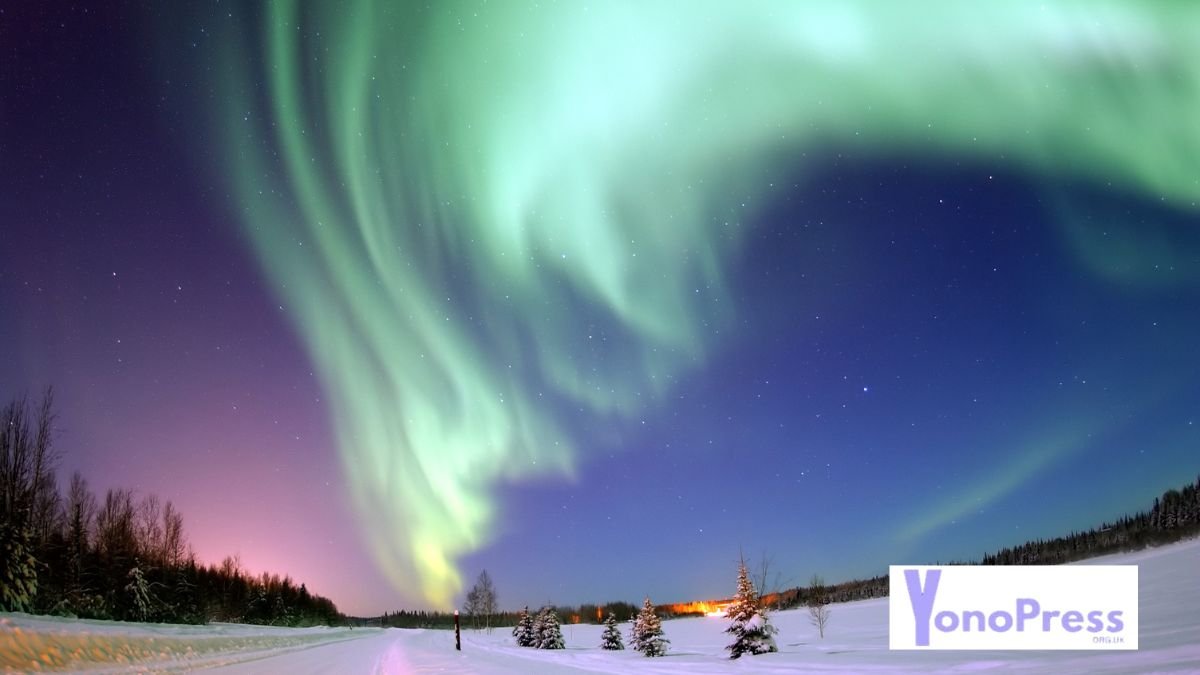
Auroras, commonly called the Northern and Southern Lights, occur when charged particles from the Sun collide with gases in Earth’s upper atmosphere. These collisions produce stunning curtains of green, red, purple, and blue light that dance across polar skies. Auroras remain one of the most spectacular natural phenomena examples visible on Earth.
Rare and Extraordinary Natural Phenomena Examples
While many natural events occur regularly, some natural phenomena examples are so rare that only a small number of people ever witness them. These extraordinary events often become the subject of scientific studies and attract travelers from around the world who hope to experience nature’s most remarkable displays.
One rare phenomenon is ball lightning, which appears as a glowing sphere during or after thunderstorms. Although many people have reported seeing it throughout history, scientists are still working to fully understand how it forms. Because it is unpredictable and short-lived, ball lightning remains one of nature’s greatest mysteries.
Another fascinating event is a fire rainbow, also known as a circumhorizontal arc. Despite its name, it is not caused by fire. Instead, sunlight passes through ice crystals in high-altitude clouds at a specific angle, creating brilliant bands of color across the sky. This phenomenon only occurs under very particular weather conditions, making it a rare sight.
Morning Glory clouds are another impressive example. These long, rolling clouds can stretch for hundreds of miles across the sky and are most commonly observed in northern Australia. Scientists believe they form because of unique combinations of humidity, temperature, and wind patterns. Pilots often travel to this region specifically to glide along these unusual cloud formations.
Biological Natural Phenomena Examples
Not all natural phenomena are related to weather or geology. Many are connected to living organisms and their interactions with the environment. These biological natural phenomena examples demonstrate the incredible adaptability of plants, animals, and microorganisms.
One of the most famous examples is the migration of monarch butterflies. Every year, millions of butterflies travel thousands of miles between North America and Mexico. This remarkable journey involves several generations of butterflies and remains one of the world’s most extraordinary natural events.
Another impressive biological phenomenon is the migration of wildebeest across the African savanna. Each year, millions of animals move in search of fresh grass and water, creating one of the largest wildlife migrations on Earth. This migration supports entire ecosystems by providing food for predators and helping maintain healthy grasslands.
Seasonal blooming is another wonderful natural phenomenon. Japan’s cherry blossoms, California’s wildflower super blooms, and desert flowers that appear after rainfall attract millions of visitors each year. These events occur because plants respond to changes in temperature, rainfall, and daylight, creating breathtaking landscapes for a limited time.
Space-Related Natural Phenomena
Some natural phenomena examples occur far beyond Earth’s atmosphere. These events remind us that our planet is part of a much larger universe filled with powerful natural processes that continue to shape space.
Solar eclipses happen when the Moon passes directly between Earth and the Sun, temporarily blocking sunlight. During a total solar eclipse, the sky becomes dark for a few minutes, temperatures may drop slightly, and the Sun’s outer atmosphere becomes visible. These events are predictable and attract scientists as well as eclipse enthusiasts.
Lunar eclipses occur when Earth moves between the Sun and the Moon, casting its shadow across the Moon’s surface. During this event, the Moon often appears reddish because Earth’s atmosphere bends sunlight toward it. This beautiful effect is commonly called the “Blood Moon.”
Meteor showers are another spectacular phenomenon. As Earth travels through streams of dust and debris left behind by comets, tiny particles enter the atmosphere and burn up, producing bright streaks of light. Popular meteor showers such as the Perseids and Geminids allow observers to see dozens of shooting stars each hour under dark skies.
How Scientists Study Natural Phenomena
Modern science has transformed our understanding of natural phenomena examples. Researchers use satellites, weather stations, underwater sensors, telescopes, drones, and advanced computer models to monitor Earth’s changing systems in real time. These technologies provide valuable information that was impossible to obtain just a few decades ago.
Meteorologists collect enormous amounts of atmospheric data to predict storms, hurricanes, and heavy rainfall. Their forecasts help governments prepare emergency responses, protect infrastructure, and issue warnings before dangerous weather develops. Improved forecasting has saved countless lives around the world.
Geologists monitor earthquake activity using networks of seismographs placed across continents. Although scientists cannot accurately predict the exact time of major earthquakes, they can identify high-risk regions and improve building standards to reduce damage during seismic events.
Environmental scientists also study long-term changes in climate, ocean temperatures, glaciers, forests, and biodiversity. Their research helps society understand how natural systems interact and how future environmental changes may affect both people and wildlife.
Human Impact on Natural Phenomena
Although natural phenomena occur without direct human control, people can influence how often certain events happen or how severe their effects become. Human activities such as deforestation, pollution, and greenhouse gas emissions have altered many natural systems across the planet.
Climate change is increasing the frequency and intensity of some weather-related natural phenomena examples. Many regions are experiencing stronger heat waves, heavier rainfall, more powerful storms, longer droughts, and increased wildfire risk. Scientists continue studying these trends to better understand their long-term consequences.
Urban development also changes natural landscapes. Replacing forests with roads and buildings reduces the land’s ability to absorb rainfall, increasing the risk of flooding. Poor land management can also contribute to soil erosion and landslides in vulnerable areas.
Despite these challenges, conservation efforts can reduce environmental damage. Protecting forests, restoring wetlands, reducing pollution, and adopting sustainable practices help maintain healthier ecosystems that are better able to withstand natural changes.
How to Stay Safe During Natural Phenomena
While many natural events are harmless, some require preparation and caution. Understanding local risks is the first step toward staying safe during severe natural phenomena. Communities that are well prepared recover more quickly after disasters occur.
Families should create emergency plans that include evacuation routes, emergency contacts, and supplies such as food, water, flashlights, medications, and first-aid kits. Regular practice helps ensure everyone knows what to do during emergencies like earthquakes, hurricanes, or floods.
Following official weather forecasts and emergency alerts is equally important. Governments and scientific organizations provide timely information that helps people make informed decisions before dangerous conditions develop. Ignoring warnings can significantly increase personal risk.
Education also plays a vital role in disaster preparedness. Schools, workplaces, and communities that regularly conduct emergency drills often respond more effectively when real natural disasters occur.
Conclusion
Natural phenomena examples demonstrate the incredible power, beauty, and complexity of our planet. From gentle rain and colorful rainbows to powerful earthquakes and spectacular auroras, these events remind us that Earth is constantly changing through natural processes that have operated for millions of years.
Studying natural phenomena helps scientists better understand the environment while providing valuable knowledge that protects lives and supports sustainable development. Every new discovery improves our ability to forecast weather, monitor geological activity, and respond to environmental challenges more effectively.
As technology continues advancing, our understanding of natural phenomena examples will only become deeper. Appreciating these remarkable events encourages respect for nature, inspires scientific curiosity, and reminds us of our responsibility to protect the planet for future generations.
FAQs
What are natural phenomena examples?
Natural phenomena examples include rain, earthquakes, volcanoes, tornadoes, lightning, auroras, eclipses, tsunamis, and rainbows.
Why do natural phenomena occur?
They occur because of natural physical, chemical, geological, biological, and atmospheric processes.
Are all natural phenomena dangerous?
No, many natural phenomena are harmless and beautiful, while others can pose risks to people and the environment.
What is the rarest natural phenomenon?
Ball lightning is considered one of the rarest and least understood natural phenomena.
Why are rainbows considered natural phenomena?
Rainbows form when sunlight is refracted, reflected, and dispersed through water droplets in the atmosphere.
Can scientists predict natural phenomena?
Scientists can accurately predict many weather events and some astronomical events, but earthquakes remain difficult to predict precisely.
How does climate change affect natural phenomena?
Climate change can increase the intensity and frequency of certain weather-related natural events, including storms and heat waves.
Why is it important to study natural phenomena?
Studying natural phenomena improves scientific knowledge, supports disaster preparedness, and helps protect people and ecosystems.
Also read: Brasssmile: What It Is, How It Works & Everything You Need to Know (2026)




Post Comment