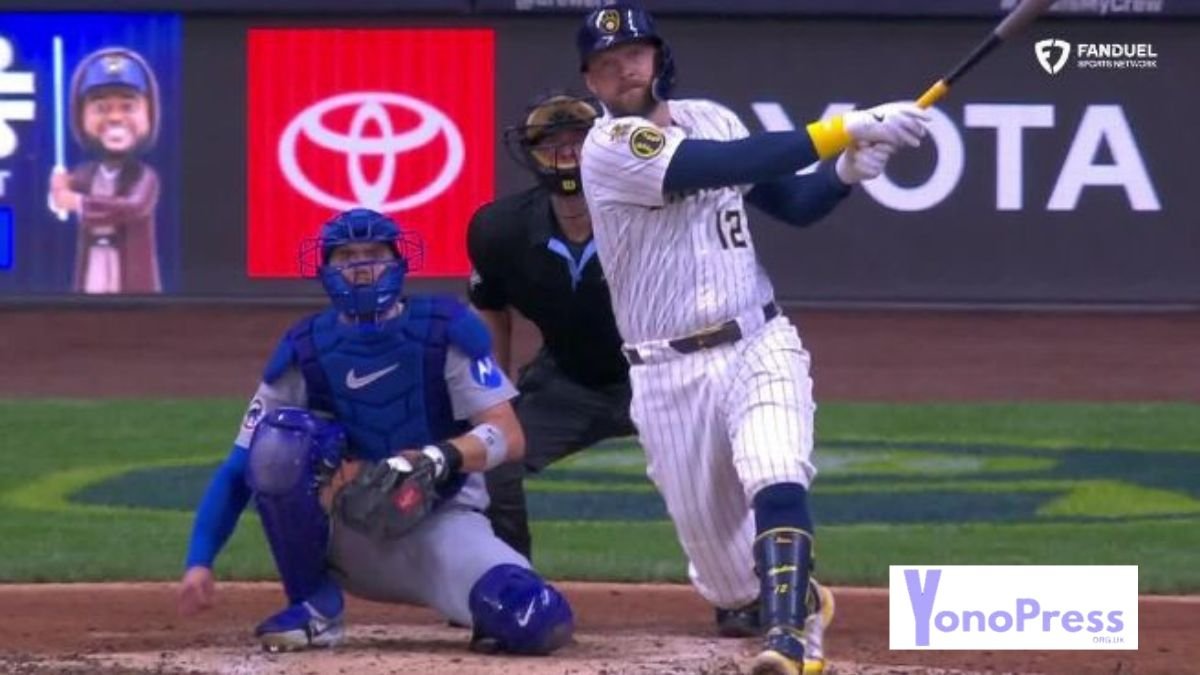
Chicago Cubs vs Milwaukee Brewers Match Player Stats
Introduction
The Chicago Cubs vs Milwaukee Brewers match player stats always attract plenty of attention from baseball fans. Every meeting between these National League Central rivals offers exciting moments, standout performances, and statistics that tell the real story behind the final score. While the scoreboard reveals who won the game, the player numbers explain how each team earned its result and which athletes stepped up when it mattered most.
Both clubs have built competitive rosters filled with talented hitters, reliable pitchers, and versatile defenders. Every matchup presents a different challenge because lineups change, pitchers rotate, and game situations develop in unique ways. Looking closely at player statistics helps fans understand why certain players succeeded and how individual performances shaped the contest.
In this guide, we’ll take a deep dive into the Chicago Cubs vs Milwaukee Brewers match player stats, exploring batting performances, pitching numbers, defensive contributions, and the key moments that influenced the outcome. Whether you’re a longtime baseball fan or someone just beginning to follow Major League Baseball, these insights provide a clearer picture of one of the league’s most entertaining rivalries.
Why Chicago Cubs vs Milwaukee Brewers Games Always Matter
The rivalry between the Cubs and Brewers has grown stronger over the years because both teams frequently compete for position in the National League Central standings. Their games often influence playoff races, division rankings, and momentum throughout the season. Every series feels important, making each player’s performance even more meaningful.
Another reason these matchups stand out is the balance between offense and pitching. Some games become high-scoring slugfests where hitters dominate, while others turn into pitching duels decided by only one or two key plays. This variety makes every contest unpredictable and keeps fans engaged from the opening pitch until the final out.
Player statistics become especially valuable during these games because they highlight who handled pressure the best. A timely home run, an outstanding defensive play, or several scoreless innings can completely shift momentum. Reviewing the numbers after the game provides a much deeper understanding than simply looking at the final score.
Batting Performance Breakdown
One of the biggest talking points in any Chicago Cubs vs Milwaukee Brewers match player stats report is offensive production. Batting averages, home runs, RBIs, on-base percentage, and slugging percentage all help explain how each lineup performed. Teams that consistently put runners on base generally create more scoring opportunities and force opposing pitchers into difficult situations.
The Cubs often rely on a balanced lineup capable of producing runs throughout the batting order. Instead of depending on just one superstar, several hitters usually contribute with singles, doubles, walks, and timely extra-base hits. This balanced approach allows Chicago to maintain offensive pressure across multiple innings.
Milwaukee’s offense combines power with speed. Their hitters frequently attack early in the count, looking for pitches they can drive into the gaps or over the fence. At the same time, aggressive baserunning creates additional scoring chances. When examining player stats, categories like runs scored, stolen bases, and extra-base hits reveal just how effective the Brewers’ offensive strategy has been during the matchup.
Top Chicago Cubs Player Stats
Several Cubs players typically become major contributors whenever they face Milwaukee. Strong performances often come from hitters who consistently reach base, drive in runs, and keep innings alive. Even if one star player has a quiet game, another member of the lineup frequently steps forward to fill the gap.
Power hitters usually receive the most attention because home runs can change the entire direction of a game. However, statistics such as doubles, walks, batting average with runners in scoring position, and on-base percentage are equally important. These numbers show which players consistently create offensive opportunities rather than simply delivering highlight-reel moments.
Pitchers also deserve recognition in the Cubs’ statistical breakdown. Starting pitchers are evaluated through innings pitched, strikeouts, earned runs allowed, WHIP, and pitch efficiency. Relief pitchers add another layer of importance by protecting leads during the final innings. Together, these pitching statistics illustrate how well Chicago controlled the pace of the game.
Top Milwaukee Brewers Player Stats
Milwaukee’s lineup often features players capable of making an immediate impact with one swing of the bat. Home runs, doubles, RBIs, and slugging percentage frequently stand out when reviewing the Brewers’ offensive numbers. Consistent production from the middle of the lineup usually gives Milwaukee its best chance to compete against quality opponents like the Cubs.
Beyond the obvious offensive categories, advanced statistics provide a more complete picture of player performance. Metrics such as OPS, hard-hit percentage, and quality at-bats reveal which hitters consistently challenged opposing pitchers, even if they did not collect multiple hits. These numbers often explain why certain players remain valuable despite modest traditional statistics.
The Brewers’ pitching staff also plays a critical role in every meeting with Chicago. Starting pitchers aim to limit walks while generating strikeouts and weak contact. Meanwhile, bullpen pitchers are responsible for closing out tight games under pressure. Reviewing ERA, strikeout totals, inherited runners stranded, and saves helps identify which pitchers delivered the strongest performances throughout the matchup.
Pitching Matchup Analysis
Pitching often determines the outcome of any Chicago Cubs vs Milwaukee Brewers match player stats discussion because one dominant performance on the mound can completely neutralize a powerful lineup. While hitters usually receive the headlines, successful pitchers are often the reason a team walks away with a victory. From the first inning to the final pitch, every decision made by the starting pitcher influences the flow of the game.
The Cubs typically depend on starters who focus on command, pitch location, and mixing speeds rather than relying only on velocity. A well-executed game plan includes fastballs on the corners, breaking balls that keep hitters off balance, and changeups used in key situations. When Cubs pitchers consistently get ahead in the count, they force Brewers hitters into defensive swings that lead to ground balls and harmless fly balls.
Milwaukee’s pitching philosophy also emphasizes efficiency. Brewers starters frequently attack the strike zone early, limiting walks and encouraging hitters to make contact before reaching favorable counts. Once the game reaches the bullpen, Milwaukee often turns to hard-throwing relievers capable of generating strikeouts in high-pressure situations. Looking at statistics such as strikeout-to-walk ratio, first-pitch strike percentage, and pitches per inning provides valuable insight into which pitching staff controlled the matchup more effectively.
Offensive Comparison Between Both Teams
Comparing offensive production reveals how evenly matched these National League Central rivals can be. The Chicago Cubs vs Milwaukee Brewers match player stats frequently show that both teams are capable of scoring in multiple ways. While one club may rely more heavily on power hitting, the other often creates runs through consistent contact, patient at-bats, and smart baserunning.
The Cubs generally excel when several hitters contribute throughout the lineup instead of depending on one standout performer. Productive innings often begin with singles, walks, or hit-by-pitches before timely extra-base hits drive runners home. This balanced offensive approach makes Chicago difficult to defend because pitchers cannot simply focus on one dangerous hitter.
Milwaukee’s offense presents a different challenge. The Brewers often look to capitalize on mistakes by driving the ball into the gaps or over the fence. They also place pressure on opposing defenses through aggressive running and quick decision-making on the bases. Statistics such as team batting average, OPS, total bases, and runners left on base help explain which lineup took better advantage of scoring opportunities during the game.
Defensive Plays That Changed the Game
While batting and pitching dominate most conversations, defense deserves equal attention when reviewing Chicago Cubs vs Milwaukee Brewers match player stats. Outstanding defensive plays frequently prevent runs, preserve momentum, and shift the energy of an entire game. A spectacular catch or perfectly executed double play can be just as valuable as a home run.
The Cubs have consistently shown strong defensive fundamentals, especially in the infield. Quick reactions, accurate throws, and effective communication help eliminate scoring threats before they develop. Middle infielders play a particularly important role by turning double plays efficiently and covering ground on difficult ground balls.
Milwaukee’s defense is equally impressive, particularly in the outfield where athletic defenders cover large areas and limit extra-base hits. Strong throwing arms discourage runners from taking additional bases, while clean fielding reduces costly errors. Defensive statistics such as assists, putouts, fielding percentage, and defensive runs saved provide a deeper understanding of how each team protected its pitchers throughout the contest.
Players Who Made the Biggest Impact
Every game features a handful of players whose performances stand above the rest. In the Chicago Cubs vs Milwaukee Brewers match player stats, these standout athletes often influence the game through timely hitting, dominant pitching, or exceptional defense. Their contributions may not always fill every statistical category, but they consistently appear in the moments that matter most.
One player may deliver multiple hits while driving in crucial runs during key innings. Another might produce a game-changing home run that shifts momentum instantly. Even a hitter who reaches base several times through walks can have a major impact by creating opportunities for teammates further down the lineup.
Pitchers also earn recognition among the game’s biggest contributors. A starter who works deep into the game while limiting scoring chances gives his team an enormous advantage. Likewise, relief pitchers who escape difficult situations with runners on base often protect leads that ultimately determine the final result. Examining individual player statistics alongside the game’s biggest moments provides a complete picture of who truly influenced the outcome.
Statistical Categories That Matter Most
Baseball offers an enormous collection of statistics, but not every number carries the same importance. When analyzing Chicago Cubs vs Milwaukee Brewers match player stats, several categories consistently provide the clearest picture of player performance. These numbers help separate productive outings from average ones while explaining how each team gained its advantage.
Traditional offensive statistics remain highly valuable. Batting average, home runs, RBIs, runs scored, doubles, and stolen bases continue to serve as reliable indicators of offensive production. However, modern analytics have expanded the conversation by introducing measurements such as OPS, on-base percentage, slugging percentage, and weighted offensive metrics that better capture overall effectiveness.
Pitching statistics have also evolved significantly. ERA remains widely recognized, but additional numbers like WHIP, strikeout percentage, walk rate, opponent batting average, and quality starts provide greater insight into pitcher performance. Together, these advanced and traditional statistics allow fans to evaluate games more accurately than relying solely on final scores or highlight plays.
How This Rivalry Continues to Produce Memorable Games
The Chicago Cubs vs Milwaukee Brewers match player stats continue to capture attention because every meeting has the potential to become a memorable contest. Whether the game is decided by a late home run, an extra-inning rally, or a dominant pitching performance, these teams consistently deliver competitive baseball. Their familiarity with one another adds another layer of excitement, as both clubs know each other’s strengths and weaknesses.
Another reason this rivalry remains entertaining is the constant emergence of new talent. Veteran players provide leadership and experience, while younger athletes bring energy and athleticism to every series. As rosters evolve each season, fresh matchups develop, keeping the rivalry exciting for longtime fans and newcomers alike.
Statistics also tell the story of how this rivalry changes over time. Some seasons are dominated by offense, while others feature exceptional pitching and defense. Looking at player performances across multiple meetings helps fans recognize trends, identify consistent contributors, and appreciate the adjustments both teams make throughout the year.
Key Takeaways from the Chicago Cubs vs Milwaukee Brewers Match Player Stats

Reviewing the Chicago Cubs vs Milwaukee Brewers match player stats shows that success is rarely determined by one player alone. Winning teams usually receive meaningful contributions from every part of the roster, including the top of the batting order, the bottom of the lineup, starting pitchers, relievers, and defenders. Baseball remains one of the ultimate team sports, and the statistics reflect that reality.
The numbers also highlight how small moments shape the outcome of a game. A two-out hit with runners in scoring position, a perfectly executed sacrifice fly, a stolen base, or a diving catch can completely change momentum. These individual plays may appear minor in real time, but they become significant when viewed through the complete statistical breakdown after the game.
For fans, coaches, and analysts, player statistics provide more than just numbers. They reveal trends, showcase improvement, identify strengths and weaknesses, and explain why certain decisions worked during the game. Whether evaluating offensive production, pitching efficiency, or defensive excellence, the statistics help paint a complete picture of an exciting Cubs versus Brewers matchup.
Conclusion
The Chicago Cubs vs Milwaukee Brewers match player stats offer valuable insight into one of Major League Baseball’s most competitive divisional rivalries. Every matchup features talented hitters looking to produce timely offense, pitchers aiming to dominate the strike zone, and defenders working to eliminate scoring opportunities. Together, these performances create exciting games that remain unpredictable until the final out.
Looking beyond the final score allows fans to appreciate the finer details of baseball. Batting averages, RBIs, home runs, strikeouts, ERA, fielding percentage, and advanced analytics all contribute to understanding how each contest unfolded. These statistics reveal the players who performed under pressure and the moments that ultimately determined the winner.
As future meetings between the Cubs and Brewers continue to unfold, player statistics will remain the best way to evaluate individual performances and overall team success. Whether you’re following every game throughout the season or simply checking the latest results, studying the numbers provides a deeper appreciation for the skill, strategy, and competitiveness that define this outstanding National League rivalry.
FAQs
What are the Chicago Cubs vs Milwaukee Brewers match player stats?
The player stats include batting, pitching, and defensive numbers recorded by players during a Cubs vs Brewers game.
Who usually performs well in Cubs vs Brewers games?
Top hitters, starting pitchers, and reliable relief pitchers often produce the biggest performances in this rivalry.
Why are player stats important in baseball?
Player stats help explain how individual performances contributed to the final result beyond just the scoreboard.
Which batting stats are most important?
Batting average, home runs, RBIs, on-base percentage, OPS, and slugging percentage are among the most valuable offensive statistics.
What pitching stats should fans pay attention to?
ERA, WHIP, strikeouts, walks, innings pitched, and quality starts provide a strong overview of pitching performance.
How do defensive stats affect the game?
Fielding percentage, assists, putouts, and defensive plays can prevent runs and change the momentum of a game.
Are advanced baseball statistics useful?
Yes, advanced metrics such as OPS and WHIP provide deeper insight into player performance than traditional statistics alone.
How often do the Cubs and Brewers play each other?
As National League Central rivals, they face each other multiple times during every MLB regular season.
Can player stats predict future performance?
While no statistic guarantees future results, consistent trends can help analysts evaluate players and make informed predictions.
Where can I find updated Chicago Cubs vs Milwaukee Brewers match player stats?
Official MLB game summaries, box scores, and trusted sports statistics websites publish updated player stats after every game.
Also read: Atlanta braves vs dodgers match player stats



Post Comment